
You live in a 2- to 4-unit building
Many carriers will write an owner-occupied building on a homeowners policy that covers the building, your belongings, and your liability, with rental income from the other units.
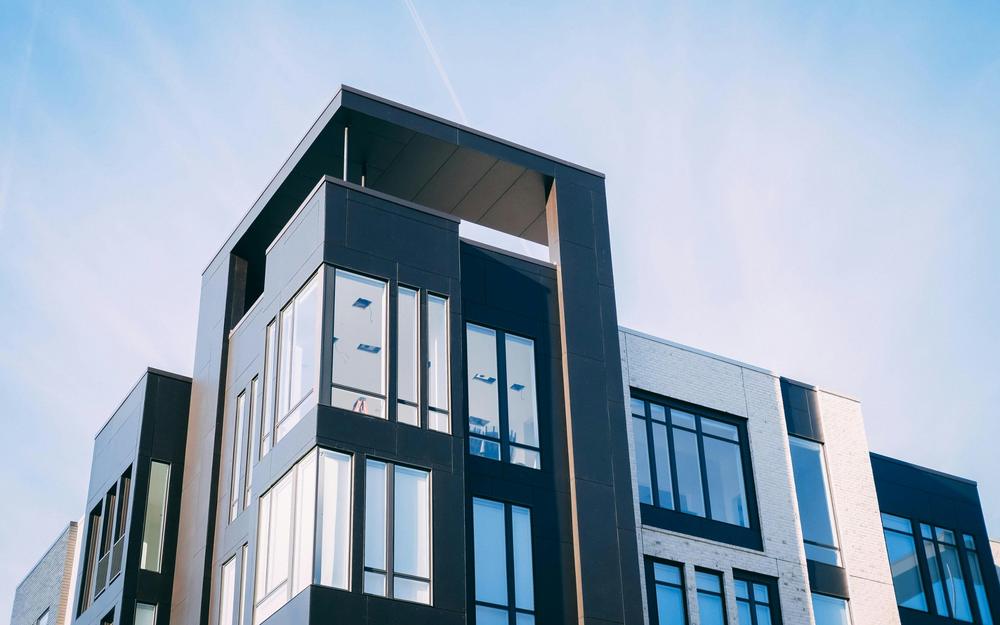
Building, loss of rents, liability, and umbrella coverage for two-flats, three-flats, and small apartment buildings, whether you live in one of the units or rent them all.
Two-flats, three-flats, and six-flats are the backbone of Chicago's rental housing, and many owners run them on their own while working a full-time job. One frozen pipe, a porch injury, or a fire can mean months without rent on top of the repair bill.
These buildings also fall in an awkward spot for insurance. Depending on the unit count and whether you live there, the right coverage could be a homeowners policy, a landlord (dwelling) policy, or a commercial apartment policy. We help you figure out which one fits, then compare options so you aren't paying for the wrong one.
The details vary by carrier, but most small buildings land in one of three places.
Many carriers will write an owner-occupied building on a homeowners policy that covers the building, your belongings, and your liability, with rental income from the other units.
Usually a landlord or dwelling policy. Forms range from basic named-peril coverage to broader open-peril coverage at replacement cost, so the form matters as much as the price.
Five or more units typically moves to a commercial apartment policy. Five- and six-flats sit right at that line, so we compare both routes when they're available. See apartment building insurance.
Coverage to rebuild at today's construction costs, not the purchase price or what the building would sell for. Older masonry buildings often cost more to rebuild than owners expect. Why it matters.
Replaces rent while units are unlivable after a covered loss, so the mortgage still gets paid. Dwelling policies may call it fair rental value. How much you need.
Injuries on stairs, porches, sidewalks, and in the basement laundry. Not every landlord policy includes it automatically, so we confirm it's there.
Burst pipes and drain backups into garden units are among the most common small building claims. Backup coverage is often excluded unless it's added.
Pays for code-required upgrades, like electrical or egress, when an older building is repaired after a loss.
Extra limits above your building's liability. One serious injury claim can exceed a standard limit, and an umbrella can sit over several buildings at once.
When an owner-occupied building becomes fully rented, the homeowners policy may no longer fit. Tell us before you move so the building doesn't end up on the wrong coverage.
Garden and basement units take on water when summer storms overwhelm the sewers. Backup coverage and flood coverage are separate, and standard policies exclude flood.
Wood back porches are common on Chicago walk-ups and a frequent underwriting question. Keep records of inspections, repairs, and replacements.
Knob-and-tube wiring, old fuse panels, aging boilers, and original plumbing narrow your options. Documented updates can open up better terms.
Many landlord policies exclude or limit lead-related claims. Know what yours says, and keep up with required disclosures to tenants.
Renting a unit by the night is a different risk from a yearly lease, and many policies restrict it. Chicago also regulates short-term rentals, so check both before you list a unit.
We work with first-time owners who live in one unit, longtime landlords with a building or two, and investors adding to a portfolio across Chicago, the suburbs, and the rest of Illinois.
Hold your building in an LLC? The policy should name the entity that owns the property, and a personal umbrella may not extend to it. We match coverage to how you hold title.
Own several small buildings? We can look at combining them onto one program with a shared umbrella and a single renewal date.
Many carriers will write an owner-occupied two- to four-unit building on a homeowners policy, which covers the building, your belongings, and your liability. If you move out and rent every unit, that policy may no longer fit, and the building usually needs a landlord or dwelling policy instead. Tell us before you move out.
Often, yes. Buildings with up to four units are usually written on dwelling or landlord policies, while five or more units typically move to a commercial apartment policy with different coverage forms, underwriting, and pricing. Five- and six-flats sit right at that line, so it pays to compare both.
Not always. Some dwelling policies cover only the building unless premises liability is added. Make sure your policy protects you if a tenant or visitor is hurt on the stairs, porch, or sidewalk, and consider an umbrella for higher limits.
Your policy covers the building, not your tenants' belongings. Many landlords require renters insurance in the lease so tenants have coverage for their own property and liability, which can reduce disputes after a loss.
Sewer and drain backup is usually excluded unless you add it, and flood from surface water is excluded from standard policies entirely. Flood coverage is a separate policy. If you have a garden or basement unit, review both before the next heavy storm.
This page is general information, not legal advice. Coverage depends on the terms of each policy and is subject to underwriting approval.
Request a no-obligation review of your two-flat, three-flat, or small apartment building coverage.